What Are Crank Windows and How Do They Work?

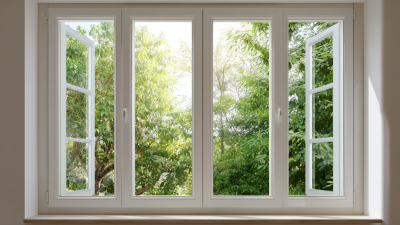
Crank windows are hinged windows that open outward when you turn a handle. They are also commonly called casement windows. Unlike sliding windows, they move on side-mounted hinges. A small operator mechanism converts the handle’s rotation into outward movement. This design gives homeowners direct control over airflow.

When you rotate the crank, gears or arms push the sash away from the frame. The opening can stop at different angles. That helps direct a breeze into a room, even when the wind changes. A compression seal around the sash can also reduce drafts when the window is closed. Clean lines. Strong ventilation.

The mechanism looks simple, but its performance depends on careful installation and regular maintenance. Dirt around the hinges can create resistance. Loose hardware may cause uneven movement or strain the operator. I have found that many problems begin with a handle being forced too quickly. Gentle operation matters. The exact design also varies by manufacturer, so replacement parts should match the original system.

Crank windows can provide wide openings, useful ventilation, and convenient access for cleaning from inside. However, they are not perfect for every room. Their outward swing needs clear space outside, especially near walkways, plants, or neighboring structures. This guide explains how these windows work, what their parts do, and how to recognize early signs of wear. Some details may seem minor, yet they often determine whether the window feels smooth, secure, and dependable over time.
What Are Crank Windows and How Do They Work?

Definition and Anatomy of a Crank Window: Sash, Hinges, Operator, and Frame

What Are Crank Windows and How Do They Work?

Definition and Anatomy of a Crank Window: Sash, Hinges, Operator, and Frame

Crank windows, often called casement windows, open outward from one side. A hand-operated mechanism controls this movement. Unlike sliding windows, they rely on several connected parts working together.

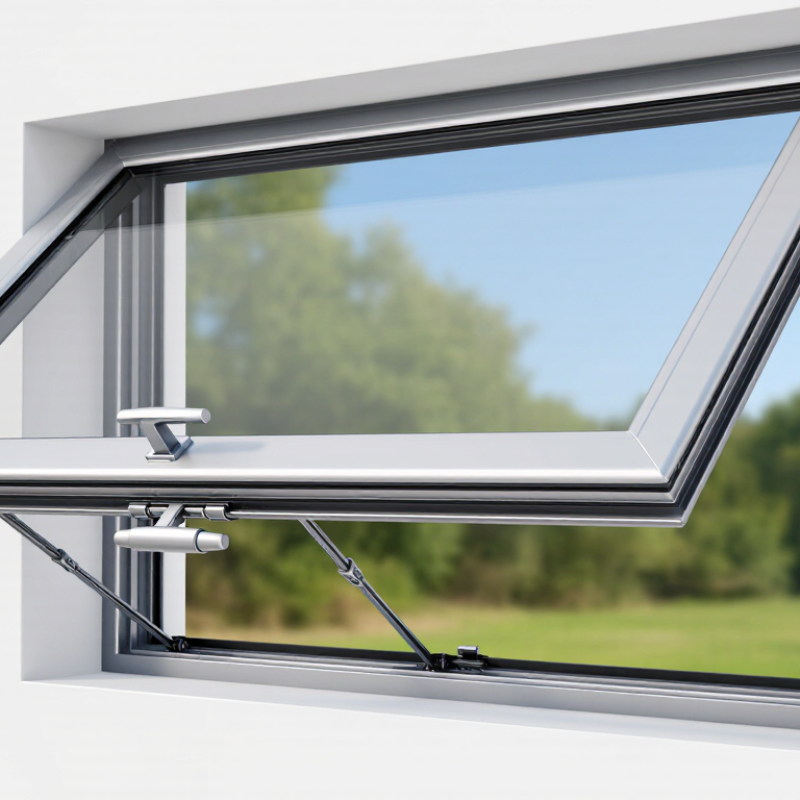
The sash is the movable glass panel. It holds the glazing and usually includes a perimeter seal. Hinges attach the sash to the frame along one vertical edge. These hinges guide the sash as it swings open, much like a carefully aligned door. The frame surrounds the opening and supports the hinges, seals, and locking points.

The operator is the working heart of the window. Turning the handle moves a small gear and arm assembly. That arm pushes or pulls the sash outward. A properly adjusted operator should move smoothly, without grinding or sudden resistance. I have found that forcing a stiff handle often damages the mechanism rather than solving the problem. That lesson is easy to miss.

Weather seals sit between the sash and frame. They help reduce drafts, moisture entry, and outside noise. Dirt can collect near the lower hinge, where it may restrict movement. Cleaning this area and checking loose screws can reveal problems early. Still, small gaps are not always caused by the operator; a shifted frame or worn seal may be responsible. Careful inspection matters.

How the Mechanism Works: Turning the Handle into Outward Sash Movement

What Are Crank Windows and How Do They Work?

How the Mechanism Works: Turning the Handle into Outward Sash Movement

A crank window uses a compact operator hidden behind the handle. Turning the handle rotates a gear inside the operator. That gear moves a connecting arm along a track. The arm pushes the sash outward from its hinged side. With each turn, the opening becomes wider and more controlled. It feels mechanical, not automatic.

The handle does more than open the window. It also draws the sash toward the frame when closing. This pressure compresses the weather seal around the edges. A properly adjusted seal can reduce unwanted air movement. The U.S. Department of Energy estimates that windows account for about 25% to 30% of residential heating and cooling energy use. Small gaps can therefore create noticeable comfort problems.

The hinge, operator, and sash must work together. Dust in the track can increase resistance. A loose handle may signal worn gears or poor alignment. That detail is easy to overlook. The National Fenestration Rating Council evaluates windows through measures such as U-factor and solar heat gain coefficient. These ratings describe thermal performance, but they do not replace careful installation. A well-rated window can still perform poorly if the frame is twisted or the seal is uneven. Turning the handle should feel smooth, with steady resistance rather than grinding or sudden movement.

Ventilation Performance: DOE Estimates Windows Use 25%–30% of Home Energy

Crank windows, often called casement windows, open with a hand-operated mechanism. Turning the handle moves a hinge-mounted sash outward, usually from one side. The sash can catch moving air and direct it into a room. When closed, the sash presses against a continuous seal. This design can reduce drafts around the opening. Small gaps matter.

The U.S. Department of Energy estimates that windows account for about 25%–30% of residential heating and cooling energy use. That figure includes heat entering, escaping, and sunlight affecting indoor temperatures. It is not a fixed bill percentage for every household. Climate, glass type, installation quality, shading, and thermostat habits change the result. A poorly fitted crank window may waste energy despite efficient glass. Moving curtains can reveal air leakage on windy days. That detail is easy to miss during a quick inspection.

25%–30% The U.S. Department of Energy estimates that windows account for about 25%–30% of residential heating and cooling energy use.

For ventilation, open the sash on the windward side to invite outdoor air inside. Pairing it with an opposite opening can create cross-ventilation. Use the handle gently, because forcing it can damage hardware or affect alignment. Screens also matter. A clogged screen weakens airflow.

Measure comfort near the window, not only at the thermostat. A room may feel cooler while humidity remains high. My earlier assumption was incomplete. Efficient ventilation depends on airflow, sealing, and moisture control together.

Ratings and Standards: NFRC U-Factor, SHGC, and Air-Leakage Metrics

Crank windows open with a hinge, usually by turning a handle that moves a mechanical operator. The sash swings outward and presses against a gasket. This compression can create a tighter seal than sliding windows. It also exposes the full opening to wind and rain, so installation matters greatly.

NFRC ratings make performance easier to compare. U-factor measures heat flow through the complete window assembly. Lower values indicate better insulation. The U.S. Department of Energy reports that windows can account for about 25% to 30% of residential heating and cooling energy use. That makes a small rating difference meaningful across a whole home.

SHGC ranges from 0 to 1 and measures solar heat entering the room. A lower SHGC suits hot, sunny walls. A higher value may help in cold climates.

Air leakage is reported in cubic feet per minute per square foot, commonly tested at 1.57 pounds per square foot under NFRC 400 procedures. Lower numbers indicate less unwanted airflow. The National Fenestration Rating Council requires independent testing and certification for its labels. Still, a label cannot reveal every installation problem.

A poorly shimmed frame can leak around the perimeter. I have seen homeowners compare U-factor alone. That shortcut misleads. The American Architectural Manufacturers Association’s performance standards also evaluate water resistance, structural strength, and operation.

Crank windows need all four checks: insulation, solar control, leakage, and field workmanship. The best rating can fail at the wall.

Design Uses, Safety Features, and Maintenance Requirements

Crank Windows and How They Work

Crank windows, often called casement windows, open with a hand-operated handle. Turning the handle moves a metal operator that pushes the sash outward. The sash usually swings from side hinges, creating a wide opening for airflow. This design works well above kitchen counters, beside beds, and in rooms needing directed ventilation. When closed, the sash presses against a seal, helping reduce drafts and outside noise.

Safety depends on correct installation and daily use. A secure latch should hold the sash tightly against the frame. Opening limiters can reduce the swing near walkways or busy streets. Screens keep insects outside, but they are not fall protection. In upper-floor rooms, use approved restrictors and follow local egress requirements. I once assumed a stiff handle only needed more force. That was wrong. Forcing it can damage the operator or loosen the sash. Stop there.

Maintenance is simple but should be consistent. Wipe dirt from the track, hinges, and locking points with a soft cloth. Apply a suitable light lubricant to moving metal parts, following the hardware instructions. Avoid heavy grease, which can collect grit. Check the seal for cracks, shrinking, or gaps, especially before cold weather. Tighten loose screws carefully, but do not overtighten them. The frame may shift. If the window remains hard to operate, inspect alignment, water damage, or hidden hardware wear with a qualified window professional.

What Are Crank Windows and How Do They Work?

Crank windows, commonly called casement windows, use a hand-operated crank to turn a gear mechanism that pushes the sash outward. They provide controlled ventilation, a tight closing seal, and can support emergency escape requirements when the clear opening meets applicable local codes.

The chart shows commonly referenced minimum dimensions for an emergency escape and rescue opening in many U.S. residential code applications: a 20-inch minimum clear opening width, a 24-inch minimum clear opening height, and a 44-inch maximum finished sill height. The opening area is also commonly required to be at least 5.7 square feet, or 5.0 square feet at grade level. Actual requirements vary by jurisdiction. Keep the crank mechanism clean, tighten loose hardware, inspect weather seals, and confirm that the sash opens fully without tools or excessive force.