Top 10 Benefits of South Windows for Your Home Design and Energy Efficiency?

Incorporating south windows into home design can significantly enhance energy efficiency and comfort. South-facing windows are valuable in optimizing natural light, reducing reliance on artificial lighting. According to the U.S. Department of Energy, strategically placed south windows can increase passive solar gain by up to 30%. This means homeowners can save on heating costs during the winter months.

Research suggests that homes with south-facing windows can achieve better temperature regulation. A study by the National Renewable Energy Laboratory indicates that well-designed south windows can lead to a reduction in heating energy use by as much as 50%. This is a compelling reason for homeowners to consider when planning their space. However, reliance solely on south windows could lead to overheating in summer if not balanced with adequate shading solutions. Reflecting on this, it's essential to evaluate design choices carefully.

In conclusion, the benefits of south windows are clear yet complex. They offer significant advantages for energy efficiency and design aesthetics. However, careful planning and consideration are required to avoid potential challenges associated with excessive solar gain. Emphasizing a balanced approach can lead to a more sustainable and comfortable living environment.
Top 10 Benefits of South Windows for Your Home Design and Energy Efficiency?

Understanding South Windows: A Key Component in Home Design

South windows play a significant role in home design. They are a source of natural light, contributing warmth and brightness. This passive solar energy can help lower heating costs during winter months. However, the placement and size of these windows can impact energy efficiency directly. Large south-facing windows may lead to heat loss in colder seasons if not properly insulated.

Moreover, south-facing windows must be managed for summer heat gain. Without adequate shading, they can make a home uncomfortably warm. Designers often suggest overhangs or awnings to block intense sunlight. This balance between light and temperature is crucial for year-round comfort.

Homeowners should also consider glare and fading of furniture. UV rays streaming through these windows can damage upholstery and artwork. Using window films or UV-blocking treatments can be effective solutions. A well-thought-out strategy around south windows enhances not only aesthetics but also energy efficiency. The key lies in thoughtful planning and a willingness to adapt designs as needs change.
Enhancing Natural Light: The Aesthetic Benefits of South Windows

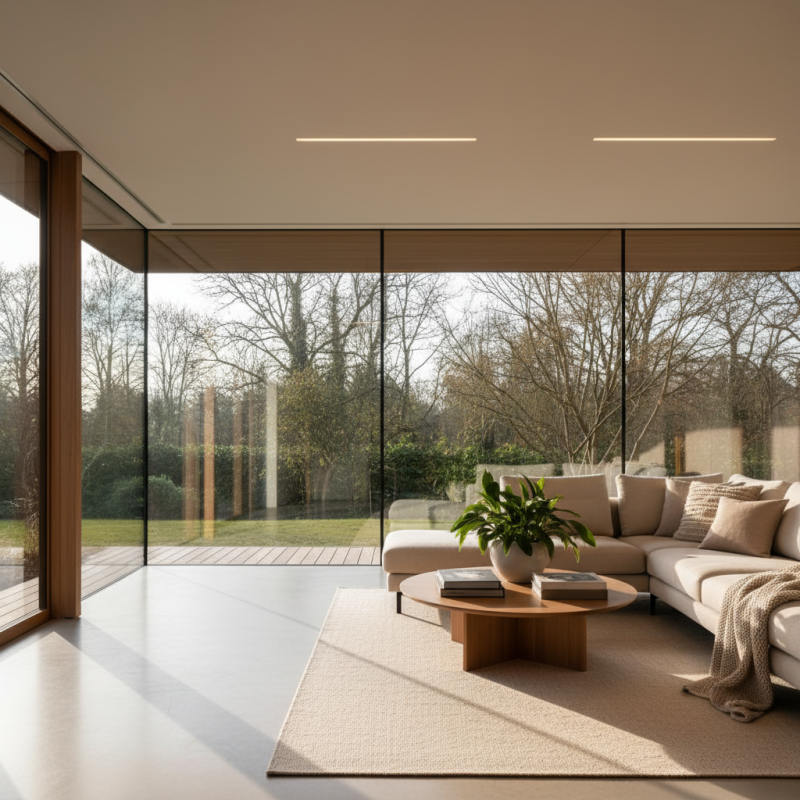
South windows offer significant aesthetic benefits for home design, enhancing natural light and transforming indoor spaces. Research indicates that natural light can improve mood and productivity by up to 15%. When strategically placed, south-facing windows can flood rooms with sunlight, creating a warm and inviting atmosphere. This can reduce reliance on artificial lighting, which accounts for about 15% of household energy consumption.

Integrating south windows can also reduce energy costs while bringing the beauty of the outdoors inside. Natural light highlights architectural features and furnishings, creating visual warmth. Reports suggest that homes with ample sunlight can increase in value by 5-10%. However, it’s essential to consider the potential for excessive heat gain during summer. Proper window treatments or shading solutions may be necessary to maintain comfort levels year-round. Balancing light and temperature can be a challenge, yet the aesthetic rewards often outweigh the drawbacks.

Improving Energy Efficiency: How South Windows Reduce Heating Costs

South windows offer significant benefits for home design, particularly when it comes to energy efficiency. By directing sunlight into your living spaces, these windows naturally warm your home during the colder months. This can lead to reduced heating costs, as less energy is needed to maintain a comfortable temperature. The right placement and design of south-facing windows maximize solar gain, creating a warm environment even in winter.

However, not all homes are perfectly suited for south windows. Factors such as nearby trees or buildings can obstruct sunlight. This could diminish the intended benefits and result in higher heating expenses. Homeowners should assess their surroundings carefully. Balancing window size and placement is crucial for achieving optimal energy efficiency.

Additionally, investing in quality window treatments further enhances performance, allowing for control over temperature and light.

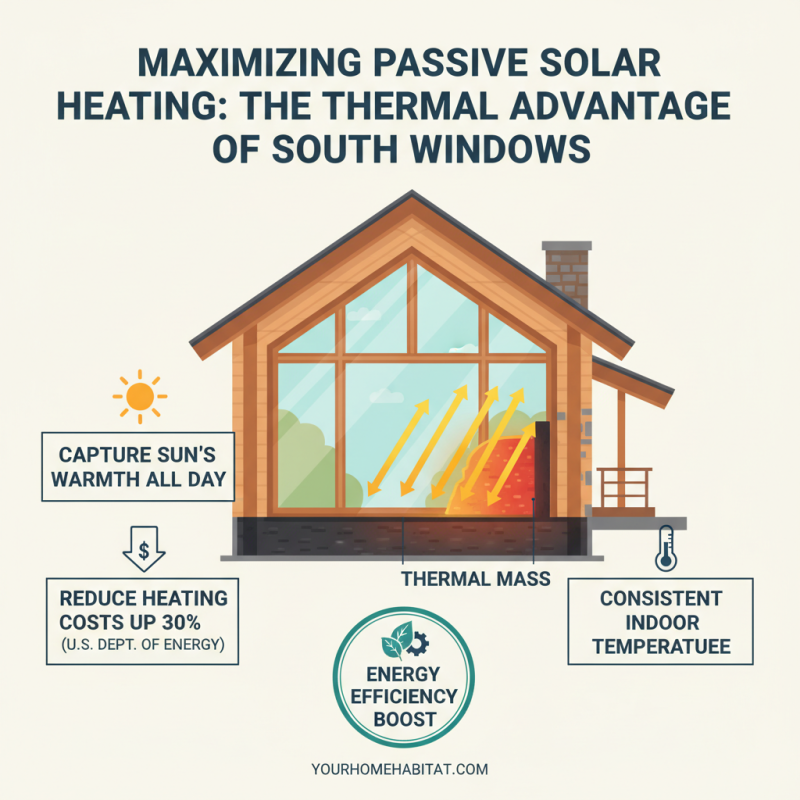
Maximizing Passive Solar Heating: The Thermal Advantage of South Windows

Top 10 Benefits of South Windows for Your Home Design and Energy Efficiency?

South windows can significantly enhance your home's energy efficiency while also maximizing passive solar heating. By strategically placing windows on the south side, you can capture the sun's warmth throughout the day. According to the U.S. Department of Energy, properly oriented south-facing windows can reduce heating costs by up to 30%. This passive solar heating captures sunlight and converts it into heat, helping to maintain a consistent indoor temperature.

To make the most of this advantage, consider the type of glazing used in the windows. Low-emissivity (low-e) coatings can help minimize heat loss while allowing optimal sunlight to enter. It's worth noting that over-reliance on south windows can lead to overheating in summer months. Installation of thermal blinds or awnings can reduce this risk.

Tips: Keep an eye on your energy bills and indoor climate changes. This can guide adjustments to your window treatments. Also, be aware of potential glare during peak sun hours. Regularly reviewing these elements ensures that your south windows provide comfort year-round.

Choosing the Right Glazing for Optimal Performance in South Windows

South windows can significantly enhance your home’s design and energy efficiency. When selecting the right glazing for these windows, understanding the type of glass is crucial. Double-glazed units typically provide better insulation compared to single-pane options. According to the U.S. Department of Energy, homes with double glazing can reduce heat loss by up to 50%. This can lead to substantial energy savings over time.

Low-emissivity (Low-E) coatings are another excellent option for south-facing windows. They reflect infrared light while allowing visible light to enter, maintaining warmth inside without compromising natural light. This type of glazing can improve energy performance by as much as 30% to 50% compared to standard glazings. Properly chosen glazing helps in balancing solar gain and heat loss, especially in regions with extreme temperatures.

However, selecting the right glazing is not a one-size-fits-all solution. It requires careful consideration of factors like climate, house orientation, and local energy costs. The wrong choice may lead to excessive glare or insufficient daylight. Each decision impacts energy efficiency, so a thorough evaluation of options is essential before final installation.

Top 10 Benefits of South Windows for Your Home Design and Energy Efficiency

Benefit Description Energy Efficiency Impact
Increased Natural Light South windows allow abundant natural light, reducing the need for artificial lighting during the day. Reduces energy costs for lighting by up to 25%.
Passive Solar Heating Collects and retains heat during the winter months, warming your home naturally. Can reduce heating costs by 15-30%.
Enhanced Views Provides expansive views of the outdoors, enhancing the aesthetic appeal of living spaces. N/A
Increased Property Value High-quality south-facing windows can increase the overall value of your home. Potential increase by 5-10% in resale value.
Energy-Efficient Glazing Options Modern coatings can improve insulation and reduce UV radiation. Improves energy efficiency ratings by up to 30%.
Reduced HVAC Loads Lower reliance on heating and cooling systems due to efficient glass design. Can lead to energy savings of 20-40% in HVAC utilization.
Better Indoor Comfort Consistent temperature throughout the home due to heat retention. Enhances comfort level significantly.
Sustainability Utilizing solar energy and reducing reliance on fossil fuels. Supports green building efforts.
Increased Air Quality More sunlight can improve indoor air quality by reducing humidity and mold growth. Promotes healthier living environments.
Customization Options Various styles, sizes, and frames to choose from that fit personal design preferences. Enhances overall satisfaction with home design.