Best South Windows for Your Home Improvement Needs?
When choosing the best south windows, homeowners must evaluate their unique needs. South windows can significantly impact energy efficiency and comfort. According to the U.S. Department of Energy, proper window selection can reduce energy bills by up to 30%. The right south windows provide optimal sunlight for warmth, but excessive heat can be a challenge.
Experts recommend double or triple-glazed windows with low-E coatings for south-facing installations. These features enhance insulation while minimizing unwanted solar gain. Research shows that homeowners can achieve a quieter and more pleasant indoor environment with quality window choices. However, many companies neglect the importance of window orientation and proper installation.
Balancing aesthetics, efficiency, and cost can be complex. Homeowners often find themselves overwhelmed by the variety of choices available. Some may choose attractive designs that fail in performance. Reflecting on such decisions is vital to ensure the long-term satisfaction of your home improvement projects. South windows play a crucial role in this process.
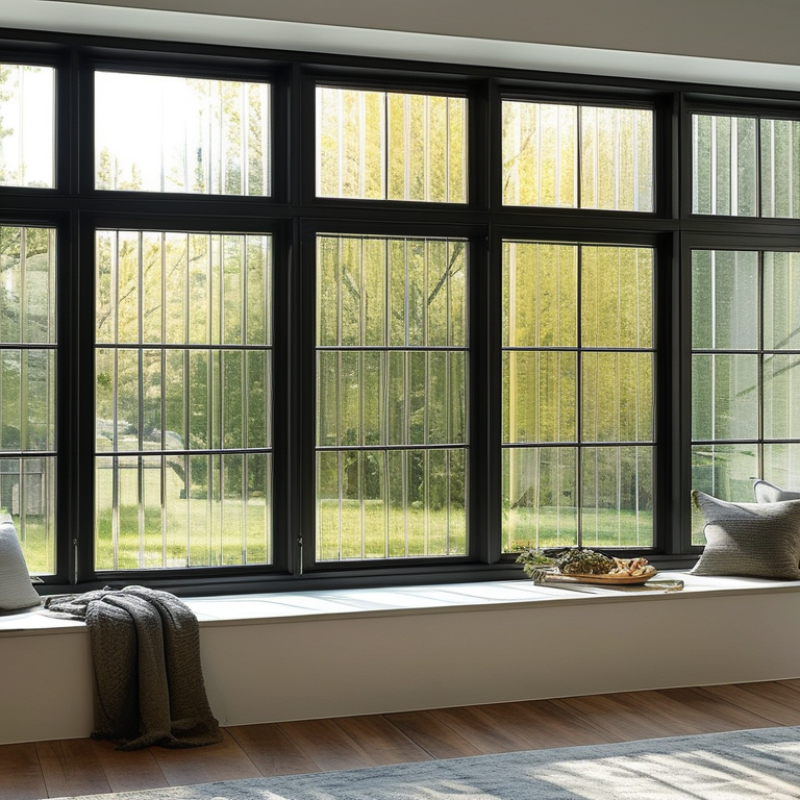
Overview of South Windows and Their Benefits for Home Improvement
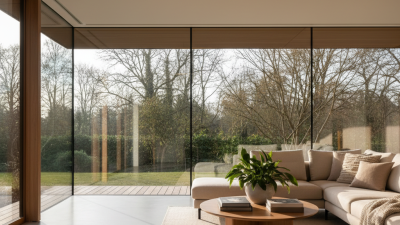
When considering home improvements, south windows are a vital option. They are known for their unique benefits. South-facing windows capture sunlight for longer periods during the day. This can significantly enhance natural lighting in your home, creating a warm and inviting atmosphere.
The advantages of south windows go beyond aesthetics. They help in passive solar heating. When properly designed, they can reduce energy costs by keeping your home warm in winter. However, it's essential to use energy-efficient glass. Poor insulation can lead to heat loss and increased energy usage, which may counteract the benefits.
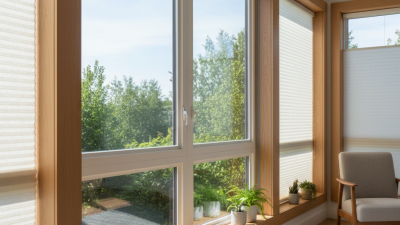
Reflecting on your specific needs is crucial. While these windows provide warmth and light, they can also contribute to overheating in summer. Careful planning, such as using shades or awnings, can help mitigate this issue. Balancing light, heat, and ventilation is key to maximizing the benefits of south windows in your home improvement project.
Best South Windows for Your Home Improvement Needs
| Window Type |
Material |
Energy Efficiency Rating |
UV Protection |
Noise Reduction |
Average Cost |
| Double-Hung |
Vinyl |
Energy Star |
High |
Moderate |
$300 - $700 |
| Casement |
Wood |
Energy Star |
Very High |
High |
$500 - $900 |
| Picture |
Fiberglass |
Excellent |
High |
Minimal |
$700 - $1,200 |
| Sliding |
Aluminum |
Good |
Moderate |
Medium |
$400 - $800 |
| Awning |
Composite |
Very Good |
High |
Moderate |
$450 - $850 |
Factors to Consider When Choosing South Windows for Your Home
Choosing the right south-facing windows for your home involves several important factors. One key aspect is energy efficiency.
South windows allow for ample sunlight, which can warm your living space naturally. However, without proper insulation,
they can also lead to heat loss during colder months. Selecting windows with good thermal performance is essential.
Look for double or triple glazing to reduce heat transfer.
Another factor is the style and materials of the windows. Different window styles, such as casement or sliding, can affect airflow and light entry.
The frame material also plays a role. Vinyl might be low-maintenance, while wood adds a classic aesthetic.
Consider how these choices align with your home’s architecture and your personal preferences.
Don’t overlook the importance of UV protection. Prolonged sun exposure can fade furniture and flooring.
Look for options that include UV-filtering technology. It’s crucial to reflect on your specific needs.
Are aesthetics more important than energy efficiency? Every choice entails a trade-off.
Balancing these elements will ensure that your south windows enhance both comfort and style in your home.
Best Materials for South Windows: Pros and Cons
When selecting south-facing windows, the choice of materials plays a crucial role. Different materials offer unique benefits and drawbacks. Vinyl windows are popular due to their affordability and energy efficiency. They require minimal maintenance and can withstand various weather conditions. However, they may fade over time under intense sunlight.
Wood windows bring a classic aesthetic to homes. They provide excellent insulation and can be painted or stained to match your decor. Yet, wood requires regular maintenance to prevent rot or warping. Proper sealing is essential to avoid moisture issues. Homeowners must consider these factors when deciding.
Aluminum windows are another option. They are lightweight and strong, providing a sleek look. However, they tend to conduct heat, which can lead to increased energy costs. Some may find their minimalist design less appealing. Always weigh these pros and cons against your specific needs and climate. Each material presents unique trade-offs. Invest time in research to make the best decision for your home.
Best South Windows for Your Home Improvement Needs
Energy Efficiency Ratings and Their Importance in South Windows
When selecting windows for your home, energy efficiency is crucial. South windows can significantly impact your energy bills and indoor comfort. Studies show that up to 30% of a home's heating energy can be lost through windows. This emphasizes the importance of choosing windows with high energy efficiency ratings.
Energy efficiency ratings indicate how well a window insulates. The National Fenestration Rating Council (NFRC) provides these ratings. Look for Windows with a U-factor of 0.30 or lower for optimal insulation. A lower Solar Heat Gain Coefficient (SHGC) is also beneficial in hot climates, as it reduces unwanted heat. Research suggests that windows with high ratings can lower energy costs by 15% to 25%.
Choosing the right glazing type is another factor. Double or triple-pane windows with low-emissivity (Low-E) coatings can improve efficiency. However, these options can come at a higher cost. It's essential to balance initial investment and long-term savings. While more efficient windows reduce energy bills, they may not fit every budget. Consider local climate and specific needs when evaluating options. Understanding these factors can lead to better decisions for your home improvement projects.
Popular Styles of South Windows and Their Aesthetic Appeal
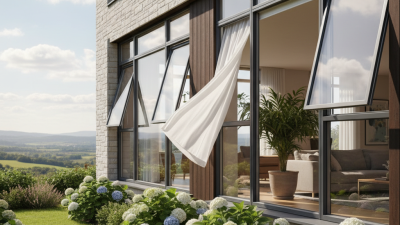
When considering south-facing windows, aesthetic appeal becomes a focal point. Popular styles include casement, double-hung, and awning windows. Casement windows offer a sleek, modern look and can be opened wide, inviting fresh air into your home. According to the American Institute of Architects, the trend for larger windows is on the rise, reflecting a desire for natural light and outdoor views.
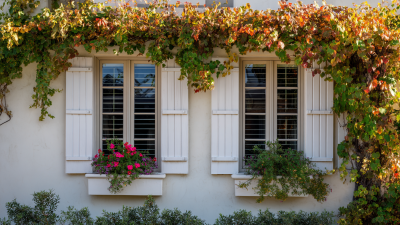
Double-hung windows provide a classic charm. They can complement a range of architectural styles. Their versatile design allows for ventilation control. A report from the Window and Door Manufacturers Association indicates that homes with double-hung windows sell faster, reinforcing their timeless appeal.
Natural light from south windows creates warmth. This can enhance a room's brightness and mood. However, excessive heat gain is a consideration. It’s essential to use energy-efficient glass to mitigate unwanted heat. Reflective films or shades can also help manage heat while maintaining aesthetic appeal.
Choosing the right window style is crucial. Consider your home’s overall design and the local climate. Aesthetic choices should blend with functionality. South windows can dramatically influence your space’s character, provided you balance light and comfort.